The Quince Problem: What, Exactly, Is the Extra Money For?
A £50 cashmere jumper is an awkward dinner guest. It keeps asking what everyone else charges for.
Quince has arrived in Britain, bringing an American proposition with unusually little interest in mystique: desirable materials, familiar silhouettes, substantially lower prices. Its first market outside North America puts that proposition in front of customers already fluent in COS, Uniqlo and Massimo Dutti. Retail Gazette, 19 October 2026.
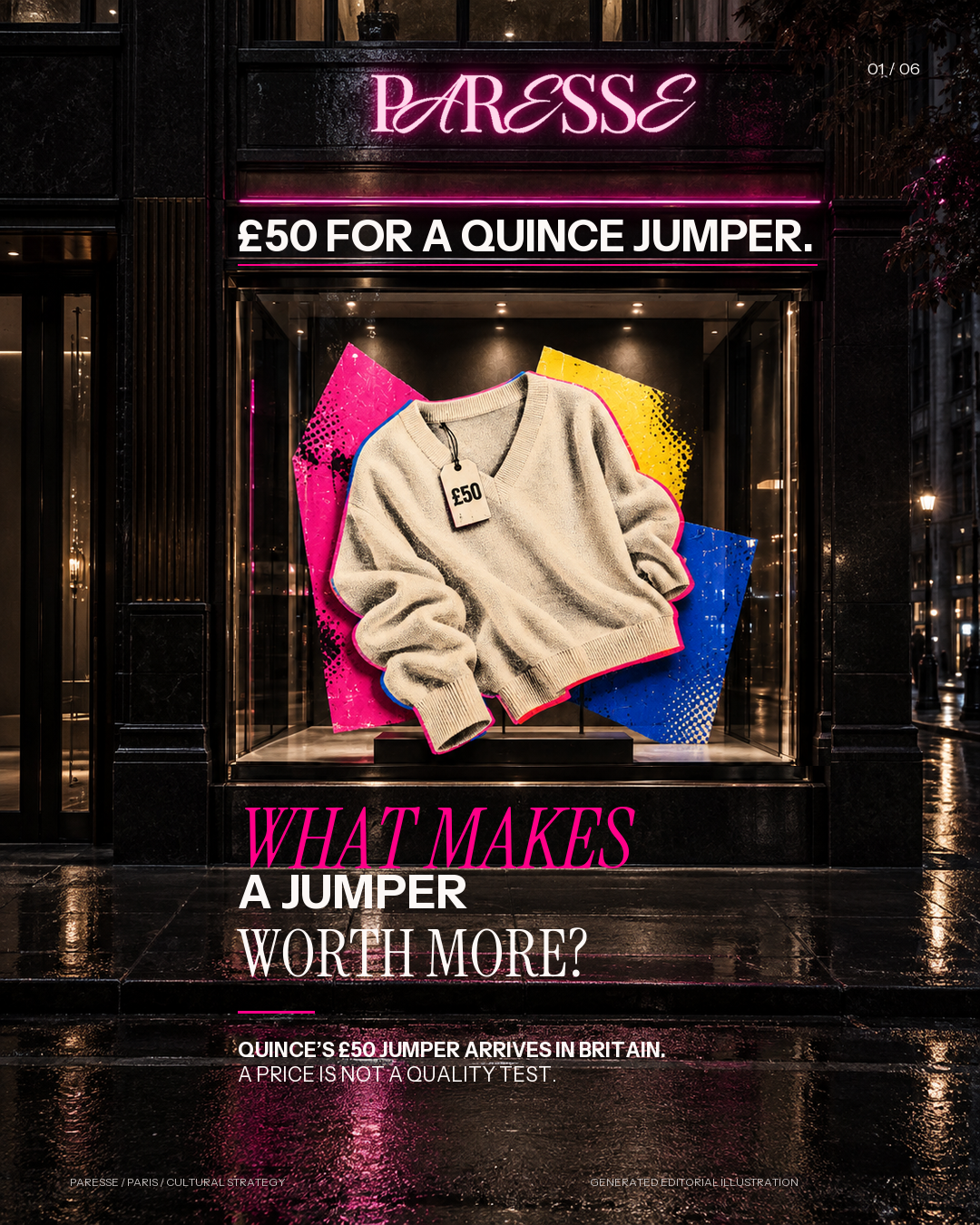
The useful detail is on the product page. A Mongolian cashmere V-neck costs £50. Beside it sits a £159 “traditional retail” comparison. The page specifies fibre length, thickness and manufacturing countries. The comparison price is Quince’s own reference, not an independent verdict on an equivalent garment. Still, the staging is effective: the customer encounters a material, a number, then a suspicion. Quince UK product page.
Perhaps the expensive version contains something extraordinary. Perhaps it contains a very expensive explanation.
The price has acquired a witness
Quince says its factory-direct model removes costs associated with conventional distribution and physical retail. That is its commercial argument. It does not establish that its products equal those of any particular luxury house. Quince UK, About Us.
Cashmere is a fibre, not a finished quality standard. Yarn, knitting, finishing, garment weight, fit and performance after washing can separate two apparently similar jumpers. Public product pages cannot settle that comparison. Nor do we yet know how British customers will behave after their first order.
But Quince does not need to win every laboratory test to become troublesome. It needs enough customers to feel that the difference is smaller than the bill suggests.
Our hypothesis is that the most exposed luxury products are the ones whose material description has been doing the work of differentiation. Cashmere. Silk. Italian leather. If the noun is available elsewhere, the house needs a persuasive account of the adjective.
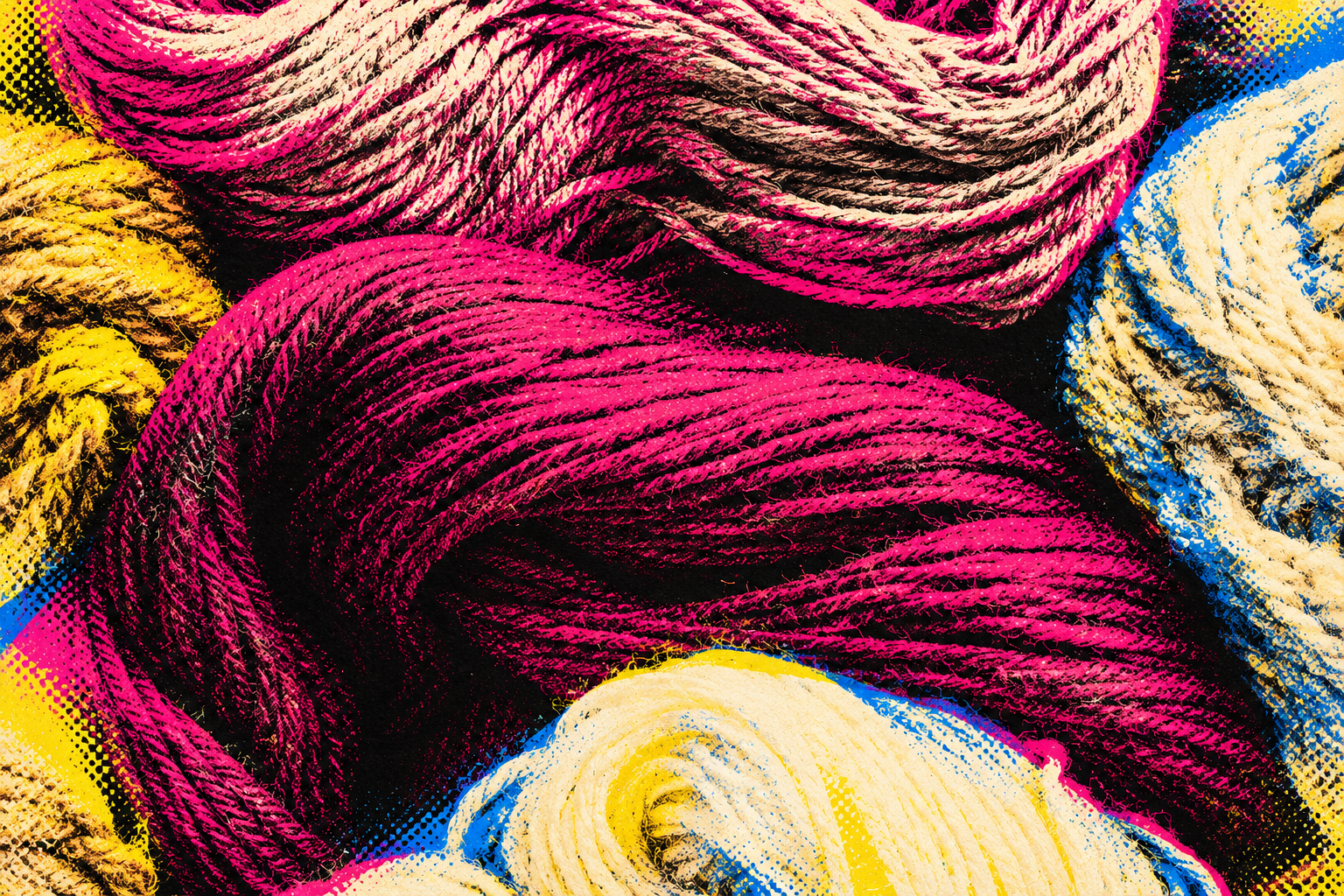
Official source photography: Quince. Generative editorial treatment: PARESSE.
The house has three choices
For the chief executive and merchandising director of a luxury house selling recognisable wardrobe staples, the first response is to defend the existing price through image, cultural authority and service. That preserves margin and avoids disrupting the assortment. It can work where attachment to the house is strong and the experience consistently exceptional. The risk is spending more to explain a difference the customer still cannot find.
A second response is a more accessible line: simpler products, lower prices, a route back for customers who have drifted away. That could restore recruitment. It requires genuinely different costs and a clear role beside the main collection; otherwise, the cheaper jumper becomes the prosecution’s star witness against the expensive one. Cannibalisation and discount expectations are real risks.
The third is to narrow the offer and strengthen its differences. Fewer interchangeable basics; more distinctive construction, identifiable materials and services that remain useful after purchase. This makes the premium easier to defend, but asks the house to surrender some easy volume. It requires supplier capabilities, product discipline and retail teams able to demonstrate what changed.
For a house whose staples are becoming difficult to justify, the third route deserves priority. It addresses the product that creates the doubt. Its advantage over a cheaper line is that it repairs the main proposition rather than building an escape hatch beside it.
Two things the price comparison misses
First, someone has to pay for discovery. A newcomer can benefit from a vocabulary of desirable shapes and materials that other businesses spent years establishing. That does not make every incumbent price reasonable. It does mean a material-cost comparison cannot account for the whole value of design.
Second, customers do not buy every category for the same reason. Someone may happily substitute a plain jumper while remaining devoted to a particular bag or coat. Treating that person as a permanently “lost luxury consumer” could lead a house to abandon the wrong customer. The question is which purchase lost its justification.
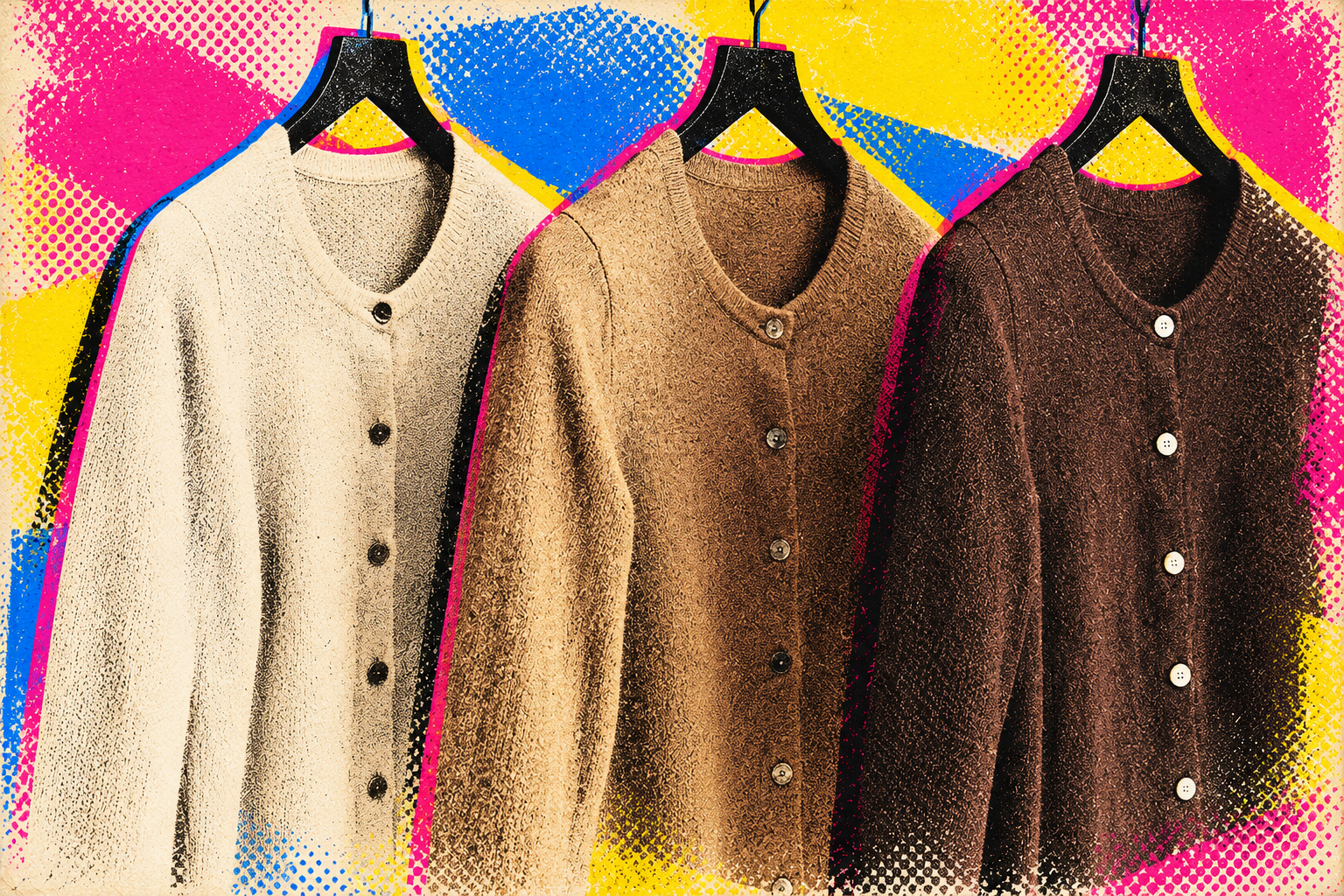
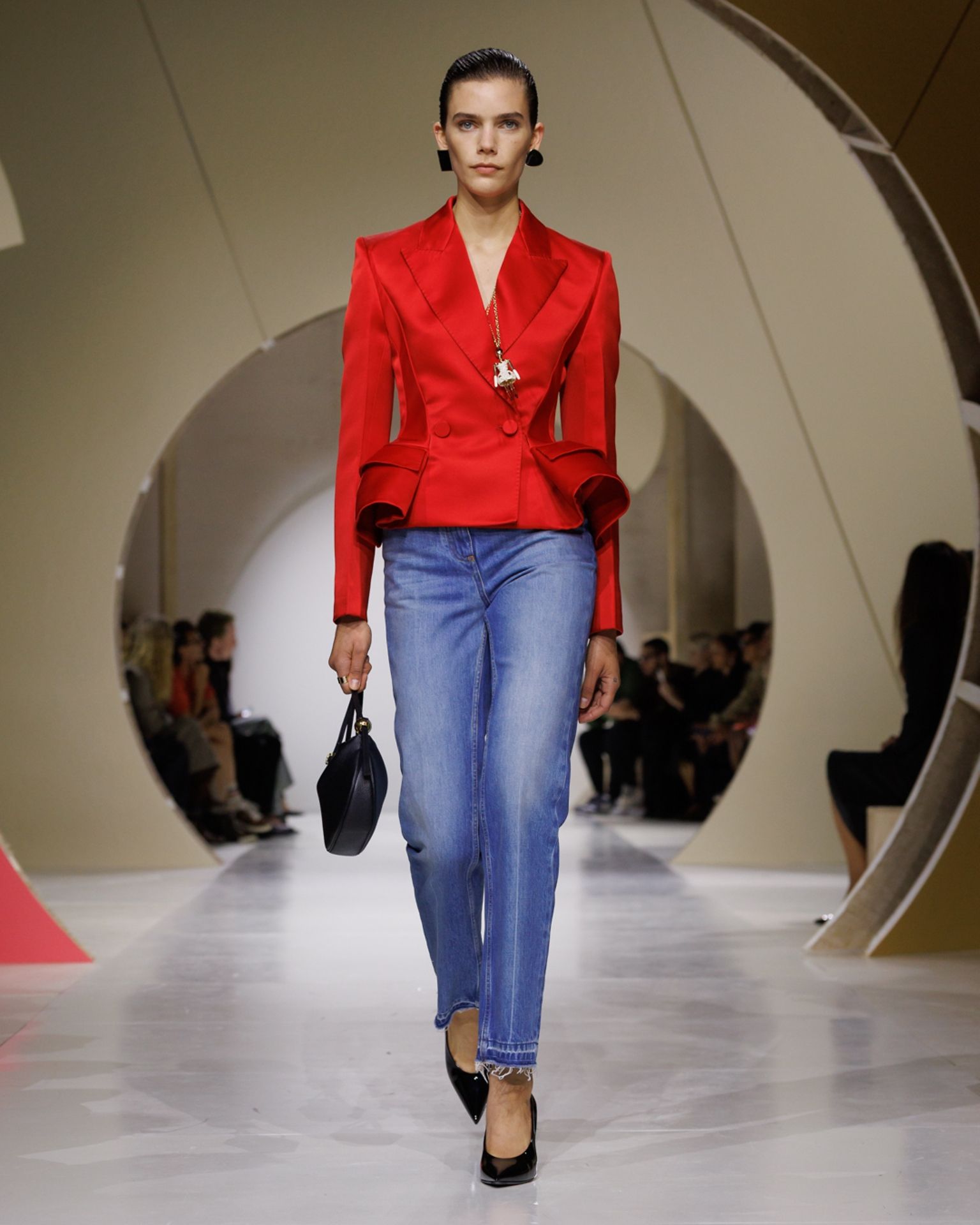
Official source photography: Quince. Generative editorial treatment: PARESSE.
Make the difference survive the wardrobe
Before changing prices across a collection, a house should examine one exposed category. Buy comparable products, commission independent wear and wash assessments, and let customers handle them without labels before revealing the brands and prices. Such a comparison would need matched specifications and customers representative of the category, not a convenient focus group of loyalists.
The findings should change sourcing and construction where performance falls short, assortment where products are interchangeable, and service where care or repair could extend usefulness. Retail staff need concrete differences to show. Pricing should follow what the house can substantiate.
The decision requires evidence we do not have publicly: product margins, returns, repeat purchase, customer reasons for switching and the cost of improving each garment. A small category trial is therefore more credible than a sweeping recommendation to cut prices or reinvent the house.
There is an obvious counterargument: luxury also sells beauty, recognition and belonging. Those are real benefits. A blind test cannot measure all of them.
But a house should know how much of its price depends on them. So should the person paying.
Quince’s British arrival gives that conversation a £50 opening line. The interesting response will come from the product, eventually, when nobody is there to explain it.