Gucci, About That Price.
“It’s an investment piece” is how a handbag gets through the household finance committee. The awkward bit comes when Gucci revises the prospectus.
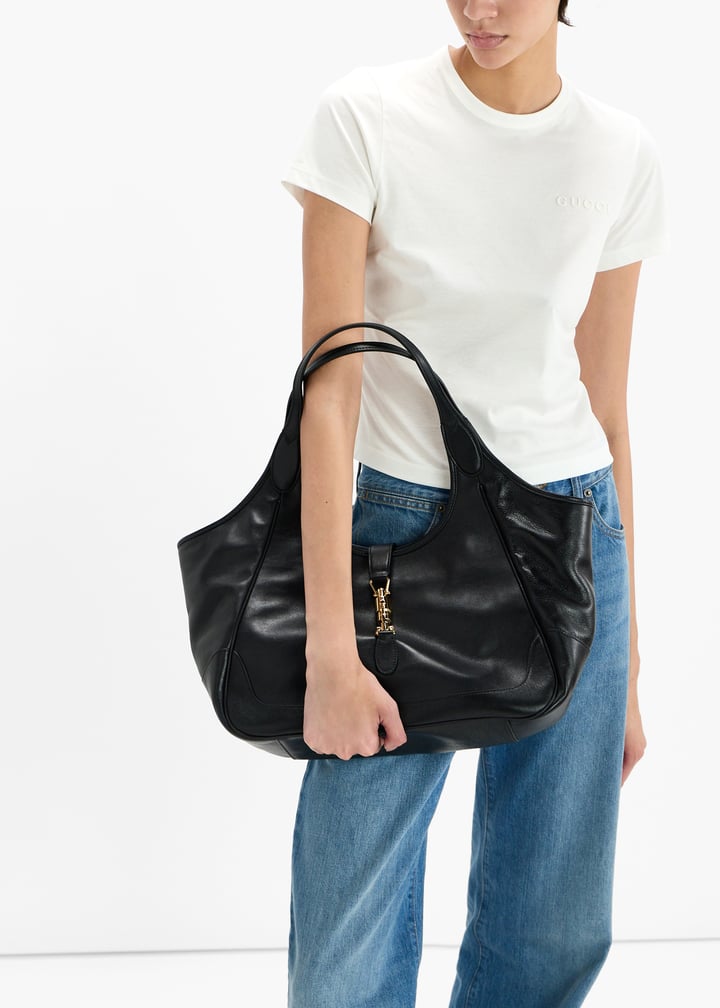
In May 2026, Bernstein estimated a 20–25% price reduction on a medium leather Mercato tote, as reported by Vogue Business on 20 August.
For Gucci, the interesting question is what this does to the next bag. A lower price could bring a customer back. It could also make waiting look like excellent taste.
Both bags come in a Gucci box
Inside a house, products have seasons, margins and inventory codes. The customer sees Gucci. She is under no obligation to learn the spreadsheet.
Our hypothesis: a reduced price can become the reference against which she judges the next collection. Yesterday’s bargain gets a vote in tomorrow’s purchase. That behaviour has not been established in this case.
Then there is the seductive bigger basket. A cheaper tote and a full-price shoe look encouraging. Unless she would otherwise have bought a full-price bag and the same shoe.
Two items. Possibly less money. Finance would like a word.
The house has three choices
Hold the price and fix the offer. Better design, availability or service could restore its appeal without surrendering margin. First establish why customers decline; otherwise, Gucci risks improving everything except the reason they walked away.
Correct selected prices. A limited adjustment could recover demand where the ticket is the obstacle. It requires room in the product’s margin and consistent rules across channels. The danger is giving a discount to someone who was already reaching for her card.
Build a distinct entry offer. A more accessible product could recruit customers while preserving the main collection’s prices. Its design and costs need a separate logic. Otherwise, Gucci has built a cheaper competitor inside its own boutique. Very convenient for the competitor.
Make the next purchase the test
For Gucci’s merchandising, retail and finance directors, I would favour a small price correction where internal evidence shows a mismatch. First request product margins, stock age, returns and customers’ reasons for passing. Public information cannot identify the right references.
Give the selected offer eight to twelve weeks against comparable stores holding price, accounting for launches, availability and local demand. Count contribution after returns and service, full-price purchases displaced, then repeat purchases at full price beyond the trial. The comparison will still have selection limits.
Product must earn the premium through design, construction and use. Retail needs a convincing explanation of the differences between bags. Finance needs to distinguish a busier boutique from a better business.
The strongest objection: if much of the current collection is simply overpriced, a small test could prolong the problem. Sustained additional contribution, without weaker full-price repurchase, would justify a broader correction.
An investment piece should earn its place in the wardrobe. A price cut should earn the next customer. Ideally before she develops a calendar for it.
Sources & scope
The estimate concerns a historical adjustment to one model. The pictured black Mercato is illustrative; its match to the historical variant is unconfirmed. Its current Gucci US listing shows $2,900. This case establishes neither a Gucci-wide reduction nor a change in resale value. Photograph: Level Shoes.